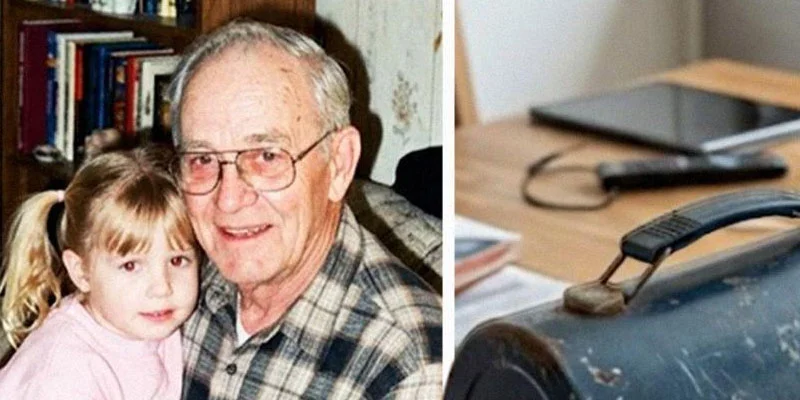
This story unfolds with a quiet kind of power—the kind that doesn’t rely on confrontation, but on revelation. What begins as a moment of humiliation slowly transforms into something far deeper: a final lesson, carefully constructed over years, delivered in the only way Angelica’s grandfather knew she would truly understand.
At first glance, the will feels almost cruel. A house, a car, cash… and then a worn-out lunchbox. It’s not just unequal—it’s symbolic in a way that invites judgment, especially from those already inclined to dismiss her. Her siblings react exactly as expected, reducing value to what can be seen, counted, and spent. In that moment, Angelica is not just overlooked—she is publicly diminished.
But that is precisely where the deeper narrative begins.
The lunchbox is not an object. It is a test.
Walter understood something fundamental about each of his grandchildren. The others had already taken what they needed from him—financial support, second chances, quiet bailouts disguised as generosity. Their inheritance had been distributed long before his death, in pieces, without ceremony. What they received in the will was simply the visible remainder.