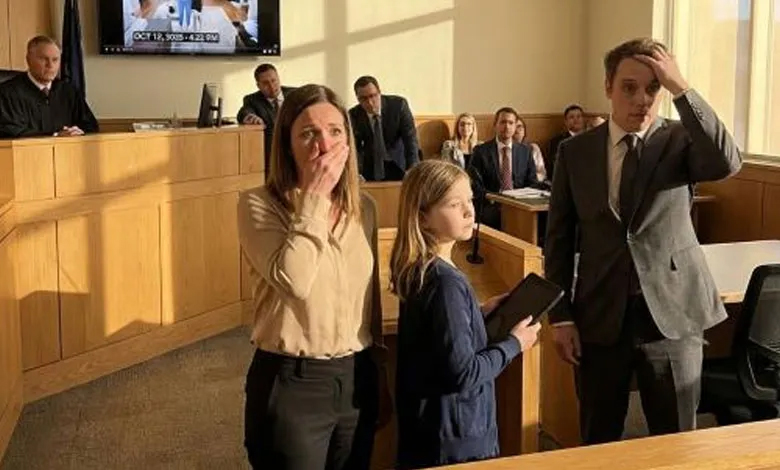
Harper sat beside me during the hearing, her legs swinging slightly above the floor, hands clasped tight. I never wanted her there, but her father insisted it would “help clarify things.” His attorney spoke confidently about routine, structure, and stability, suggesting that my demanding work schedule created unnecessary stress for our daughter. I wanted to speak—to explain the long hours, the sacrifices, the care I poured into every day—but I knew emotional pleas rarely carry weight in court. So I stayed quiet, hoping the truth would emerge on its own, even as the judge’s composed expression gave nothing away.
Then, in a moment no one expected, Harper raised her hand. Her voice was small but certain as she asked if she could show the judge something important. The room fell silent. Her father objected, but Harper stood anyway, holding her tablet close. She explained that she had saved a video—something she’d been told not to share. The judge agreed to review it, and in that instant, I realized my daughter had been observing far more than anyone had assumed.
The video wasn’t dramatic. It didn’t show anger or chaos. Instead, it revealed everyday moments—missed commitments, tense conversations, and repeated requests for Harper to keep things “just between us.” It showed a pattern of behavior rather than a single incident. When the recording ended, the courtroom stayed quiet. The judge thanked Harper for her honesty and acknowledged the importance of her perspective. That day didn’t resolve everything, but it shifted the course of the case—and my understanding of my daughter. She wasn’t just caught in the middle; she was aware, brave, and truthful. Sometimes, it’s the quietest voices that bring the clearest truth, exactly when it’s needed most.