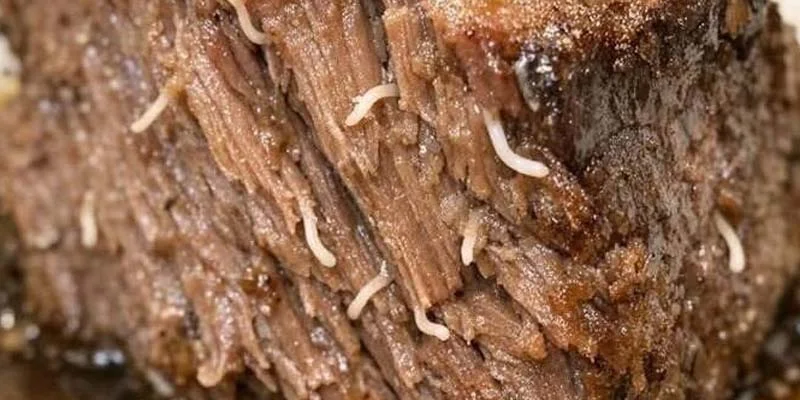
The aroma of a slow-cooked beef roast is usually one of the most comforting and mouth-watering scents you can bring into your home. After hours of waiting, the anticipation of a tender, savory meal reaches its peak when you finally lift the heavy lid of the slow cooker. Steam billows out, carrying the rich fragrance of garlic, herbs, and slow-roasted meat. But what happens when that moment of culinary bliss turns into a moment of pure panic? Imagine pulling the large, heavy roast out of the pot, only to discover a bizarre network of pale, white stringy things poking out…
The aroma of a slow-cooked beef roast is usually one of the most comforting and mouth-watering scents you can bring into your home. After hours of waiting, the anticipation of a tender, savory meal reaches its peak when you finally lift the heavy lid of the slow cooker. Steam billows out, carrying the rich fragrance of garlic, herbs, and slow-roasted meat. But what happens when that moment of culinary bliss turns into a moment of pure panic? Imagine pulling the large, heavy roast out of the pot, only to discover a bizarre network of pale, white stringy things poking out of the surface and winding between the muscle fibers. Your stomach drops. You might immediately wonder if the meat is infested with worms or parasites. The sudden urge to throw the entire meal into the trash can is overwhelming.