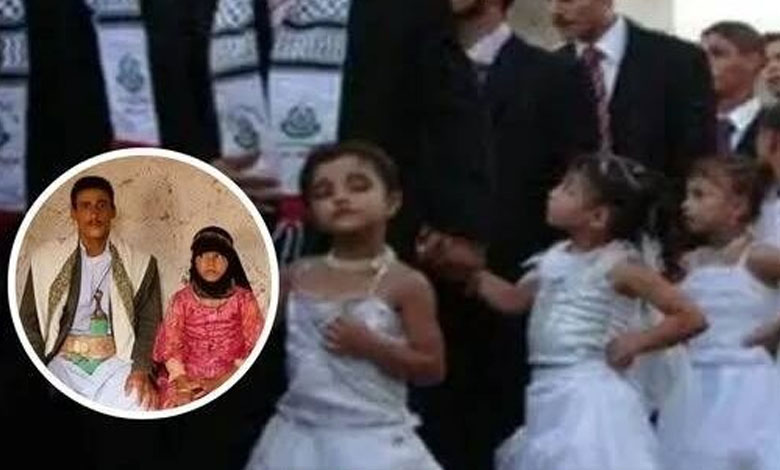
In some parts of the world, traditions persist that place young girls into roles they are neither physically nor emotionally prepared to endure. These practices are often defended in the name of culture, family honor, or economic necessity, but their consequences can be devastating. One such tragedy, widely reported and deeply unsettling, involved an eight-year-old girl whose life ended shortly after her marriage—an outcome that has sparked outrage, grief, and renewed calls for change. The child had been married off to a much older man in a society where such arrangements, while controversial, are still practiced. For many outside observers,…
In some parts of the world, traditions persist that place young girls into roles they are neither physically nor emotionally prepared to endure. These practices are often defended in the name of culture, family honor, or economic necessity, but their consequences can be devastating. One such tragedy, widely reported and deeply unsettling, involved an eight-year-old girl whose life ended shortly after her marriage—an outcome that has sparked outrage, grief, and renewed calls for change.
The child had been married off to a much older man in a society where such arrangements, while controversial, are still practiced. For many outside observers, the situation raises immediate and urgent concerns. At eight years old, a child is still developing—physically fragile, emotionally dependent, and far from capable of understanding the responsibilities or implications of marriage. Yet in certain communities, young girls are expected to step into roles as wives, often without consent, preparation, or protection.